In the case of Australian home improvements, buying new blinds can be a visually stimulating experience. Fabric swatches captivate you, and you're drawn to the soft lines of the Roman blind, or the sleek lines of a Roller Blind. The decision-making process is focused on style and colour. But the one factor that can make or break the blinds you purchase can be hidden from the showroom. It is the accuracy of the measurements and the professional installation. Professional measuring and fitting of the unique and irregular windows found in Australian homes isn't an expense, but rather the foundation for function beauty, durability and aesthetics.
You can understand the temptation to take a measurement in case you're looking to save cash or believe that a tape measure isn't a lie. The reality is that windows' apertures don't match to what we imagine. There are only a handful of windows that are square, straight and even. Every architectural flaw can be found in the charming weatherboard bungalow, the sleek concrete apartment, or the brick and wood suburban house. The squareness of windows can be a few millimetres off. The reveal on one side could be greater than the one on the other. The architrave may be bent towards the middle. These aren't defects but the result of a structure settling into our climate. A professional installer doesn't only measure width and height; they diagnose the window. Professional installers test multiple points to ensure the windows are square. they assess the depth, identify obstructions like protruding windows or tiles and then examine the wall surface. This diagnostic approach is what converts the raw data into a blueprint to create the perfect final.
This information directly leads to two fundamental fitting options that have profound implications.
A properly hung blind within the window recess provides an appearance that resembles a built-in item. This method is also one of the most demanding. It must be a square that is of a high-quality depth. A professional will determine the width at the top, middle and bottom of the recess, using the smallest measurement to ensure that the blind isn't bound. To ensure full coverage it is necessary to take measurements of the height from left the center, right and left by using the most extensive measurement. To make sure that the blind runs smoothly, they subtract manufacturing tolerances, which are usually just a few microns - to accommodate any vibrations. If the math is wrong by even 5mm, and the blind may be difficult to set up or scratch and jam with every use.
A blind mounted outside, or on the wall, architrave or window frame, can be more accommodating to sloppily carved recesses. It is a fantastic way to maximise light blocking and make a window look larger. Here, the professional's skill is in the placement and proportion. They are skilled at determining the distance between the frame of the window and the headrail to ensure that there aren't any light gaps on the edges. They also know how to balance the aesthetics of the project. This ensures the installation looks deliberate and architecturally integrated, not like an added feature.
With non-standard window designs, the complexity increases. Australian designers are getting more popular for corner windows as well as trapezoid-shaped forms. These aren't tasks that can be done with the standard 3 meter tape measurement. They require triangulation, angle finders, and an understanding of how a blind's mechanism can navigate an unusual path. The shapes aren't easy to design However, a skilled designer can translate them into a workable design using templates and other tools. For bay windows, they don't simply take measurements of the three separate windows. They determine the exact angles of intersection so that the blinds fit their bays without glaring overlaps or gaps.
The next step is installation and the moment when it's all about reality. Professionals arrive with a van, not a car. Their toolkit includes high quality drills, wall anchors that can be used with a variety of materials (bricks or plasterboard, concrete or studs), spirit and laser levels as well as impact drivers. They know that drilling into the brick is not the same as drilling into the mortar. They are aware of the studs on plasterboard walls or how to install a strong-duty latch bolt on hollow walls. Security is a must, especially when it comes to large, heavy blinds or motorised units. Blinds that are not properly installed, with plugs only inserted into plaster, can cause accidents. They also handle the final adjustments--trimming cords to safe lengths, installing mandatory child-safety devices, and calibrating the tension on spring-assisted rollers--so the blind operates with a satisfying, reliable action from day one.
The cost of professional service is in fact an insurance policy. This ensures that the blind is installed correctly, protects any product warranties (as DIY installation could cause them to be void) and keeps the need to pay for a blind that doesn't fit. It also helps save your time and your sanity. It's not worth the hassle of returning a product and the time delay can occur when you make an DIY measurement error.
If you choose to work with an experienced and reputable Australian window blinds company their approach should create trust. They should insist on a site inspection for any non-standard window or an all-inclusive quote. The consultant should take more time to inspect your windows instead of flipping through sample catalogues. They must explain their measurement method and fitting guidelines clearly. This level of professionalism is the mark of a business that stands on its products.
The perfect blind is a blend of invisibly constructed engineering and stunning design. The measuring is the blueprint and the installation is the skilled construction. The real value of expert services lies in their technical knowledge. In a market that is flooded with ready-made options that's the reason they distinct. They don't simply sell blinds; they offer a customized solution to the specific style of your Australian home. They make sure that what you see in the showroom, is what will last for years. A perfect fitting, a flawless operation system and a final appearance that makes it appear like it's always there. This is what you can expect from an excellent job. Take a look at the top blinds for site advice including austral blinds, 100 blinds, blinds direct australia, we blinds, order blind slats, we blinds, blinds single, custom blinds direct, made blinds, local blind suppliers and more.
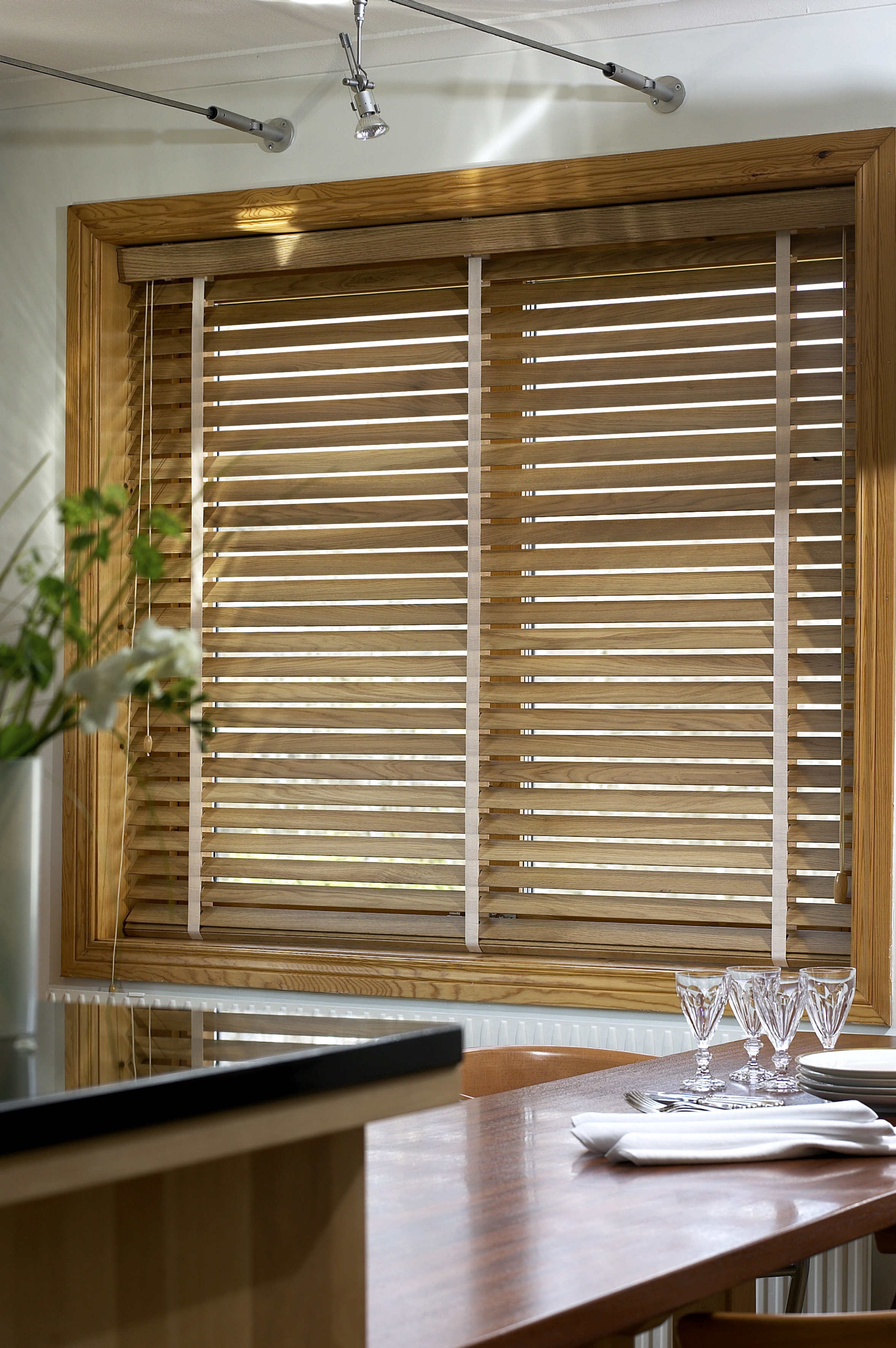
After Blinds Installation, What Is The Most Important Test?
In the Australian blinds industry, the moment of installation is often a moment that feels like the end of the line. The boxes are unpacked and the furniture is placed in your windows and the installer departs. This moment may seem like the end of a product however, for a product that is designed to be used daily and exposed to harsh sunlight, and last for 10 years or more It's just the beginning. The second part of the purchase agreement can be unwritten. It includes the quality and maintenance of the installation, as well as the advice on how to maintain it. The real character and the quality of a company is discovered when a transaction becomes a long term relationship.
Installation is the most important pillar of after-sales service. Professional installers aren't just fitters, but also the ultimate quality controller. Their work quality will directly affect the lifespan and efficiency of your blinds. The person who installs a reliable service is an employee or a trusted subcontractor who has worked with them for a long time. They are not an uninvolved contractor sourced from an online marketplace. They have the right tools to work on your substrate such as double-bricks, steel stucco, or concrete. They don't only install all the mandatory safety equipment for children, but will also provide the essential parts. The installers show you how to operate each blind. The blinds are meticulously cleaned without leaving any debris in their wake. When they leave, they must leave a contact point that is direct, like a contact number or email address to the office in the local area. This kind of finishing is your first tangible experience of care after leaving; it will set the tone for all that comes after.
When the installer is gone, the second part of the pillar will be visible providing proactive advice regarding maintenance. Blinds shouldn't be put up only to be left in storage. Their lifespan is determined by their cleaning and handling. A supplier that is invested in your future happiness will not leave it to chance. It must include written guidelines for the material you choose. They are not general guidelines and are personalised advice on the best microfiber fabric and pH-neutral cleansers to use with your solar fabric; caution against using oils-based polishes for timber Venetians blinds; a schedule for vacuuming honeycombs blinds in order to keep dust from building within the cells. They may also suggest seasonal adjustments like the checking of cord tension in summer, or making sure that motorized shutters are fully at a constant charge. This is an effective way to avoid issues that can result in premature wear and warranty disputes. It indicates that the supplier views your blinds as an asset that will last for a long time rather than a disposal sale.
Despite the highest quality installation and maintenance, the third pillar--accessible repair support--will one day be required. A cord can fray or a motor could become sluggish. A slat could be damaged. This is the moment that will test your supplier's commitment to after-sales. It is important to determine whether they have a reliable local system for customer service. A reliable company has a dedicated service coordinator, or a familiar contact in your area who knows about your previous work. They should be able to diagnose issues on the phone, send technicians who carry parts commonly used and honor warranties without question. Another option is a service provider who subcontracts repair work to an unidentified third-party handyman or directing you to an offshore manufacturer's web site. This creates frustration, delays as well as substandard fixes.
This structure is especially important for motorised systems as well as intelligent systems. Technology can add a layer of complexity. Are the technicians from the provider qualified to identify any issues with connectivity between your motorized blind and home hub. They are able to update the firmware or replace the battery pack swiftly. Their after sales capability should be as advanced as the products sold. It's risky to partner with a company that sells automation, but does not have the expertise to maintain it.
It is essential to inquire about the entire after-sales experience when vetting suppliers. Don't just ask "Are installation and warranty included?" You should ask questions that are based on scenarios: "If my blind has issues six months later after installation, how do I go about fixing it?" Who should I contact first?" Do spare parts for motor systems available on the local market or have to be ordered? If you need to repair your warranty do you charge a fee for out-of-hours repairs? Answers will indicate the level of preparedness they have. A confident and concise answer that details the location of a representative and promises to providing prompt service will demonstrate the reliability.
The value of a solid customer support is measured in peace of mind and longevity of the product. It protects your investment. Blinds that can be easily adjusted, fixed or maintained by their original suppliers last longer than blinds that become inoperable when the smallest issue develops. You will also save money as you won't need to replace blinds that require only minor repairs.
In the Australian market in which homes are constructed to withstand decades and interiors are substantial investment, a long-term perspective is crucial. This is because a supplier who has an actual showroom, a local group of installers, and good standing in the community is more accountable. They offer a full range of services, from professional fitting, to informed maintenance, to efficient repair. When you select a provider it is not just purchasing the product. You are also choosing a partner who will help you maintain your blinds. You'll be ensuring that the picture you enjoy today will remain flawlessly framed for future years with the peace of mind that in the event of a cable snapping or the remote is damaged and you need to call a local phone call will make it right. The clause that is not written in the contract guarantees this.
